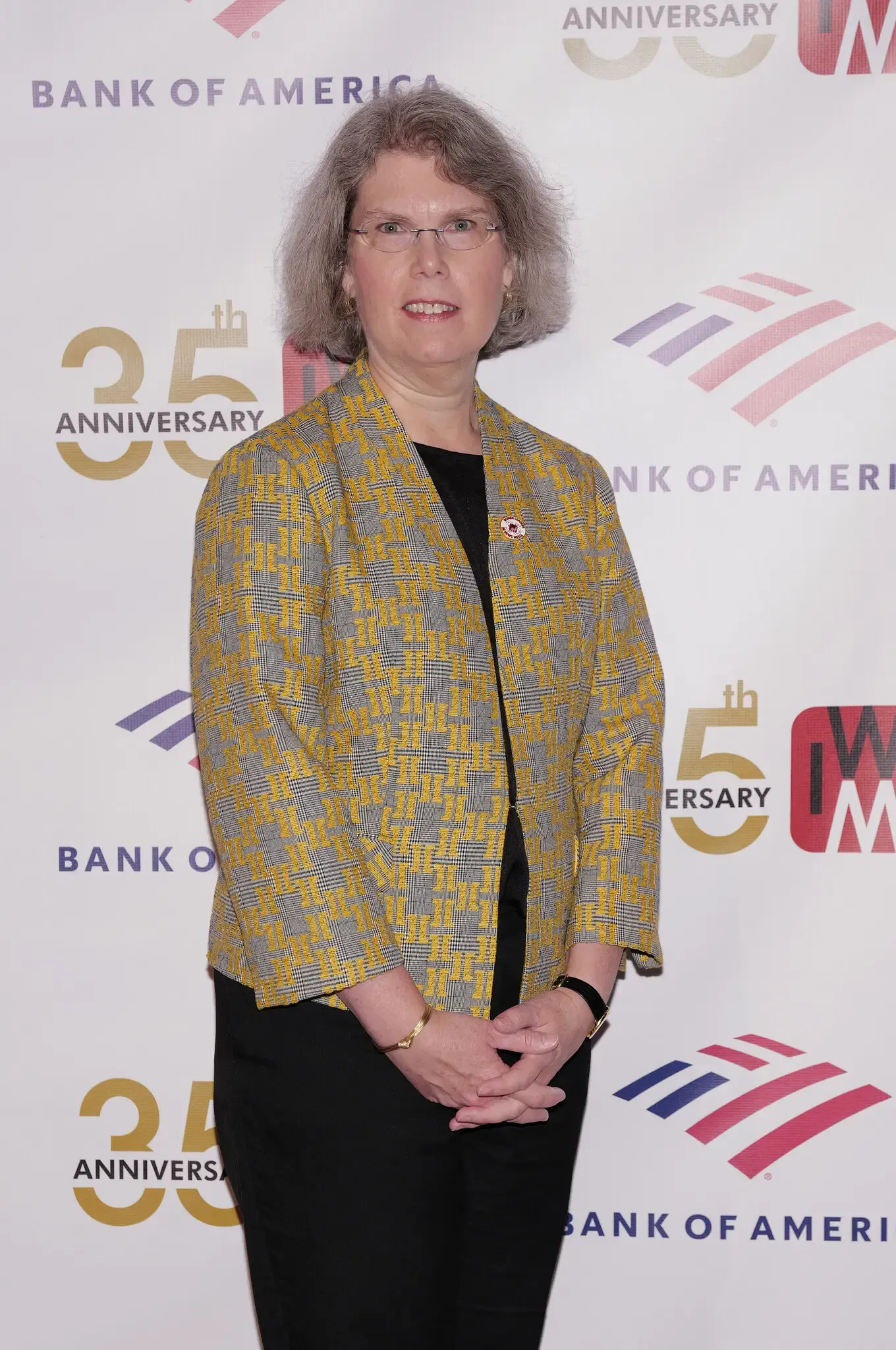
For years, NPR held a respected place in American media. Trusted. Balanced. Thoughtful. But in recent years, the organization has taken a sharp turn—drifting away from its journalistic roots and diving headfirst into the progressive echo chamber. And at the center of that shift has been Edith Chapin, the recently departed Chief News Officer.
Let’s be blunt: good riddance.
Her exit isn't just the end of a leadership stint—it marks the slow unraveling of NPR’s credibility. Under Chapin’s tenure, NPR didn’t just report the news. It crafted narratives, curated outrage, and filtered reality through the lens of left-wing orthodoxy. Whether it was race, gender, politics, or international conflict, objectivity took a back seat to ideology.
NPR’s Progressive Tilt
A 2024 exposé by longtime NPR editor Uri Berliner confirmed what many had long suspected: the newsroom had become a monoculture of liberal groupthink. Berliner noted that despite covering some of the most politically charged issues of the decade, NPR had almost no ideological diversity in its newsroom—and worse, no interest in fixing it.
From the handling of the Hunter Biden laptop story, to the unquestioning promotion of COVID restrictions, to the relentless focus on DEI buzzwords, NPR became more of a progressive podcast feed than a taxpayer-funded news source. Instead of informing the public, they were preaching to their own tribe.
The DEI Takeover
Under the guise of “diversity, equity, and inclusion,” NPR's hiring practices and editorial focus shifted. Qualifications mattered less than identity checkboxes. Merit gave way to representation. And instead of offering a platform for a range of voices, NPR doubled down on race essentialism, gender politics, and activism masquerading as journalism.
They weren’t just reporting on social issues—they were editorializing them. Over time, the DEI agenda didn’t supplement NPR’s mission; it replaced it.
Lopsided Coverage and Public Trust
During the Trump presidency, NPR abandoned all pretense of balance. Stories that favored Democrats were amplified; stories that cast the left in a poor light were buried. Scandals involving Democrats often went unreported—or were softened with euphemisms. Meanwhile, Republicans were vilified with clinical precision.
And now, as the 2024 election cycle unfolds, listeners can still expect a steady stream of anti-conservative framing, selective outrage, and carefully constructed narratives.
This isn’t journalism. It’s campaign messaging—funded in part by your tax dollars.
A Reckoning Is Coming
Edith Chapin's departure is symbolic. NPR’s ratings have slipped. Internal dissent is growing. And the public—especially independents and moderates—is tuning out. Why? Because Americans don’t want their news pre-packaged in partisan wrapping. They want facts. Nuance. Balance.
Chapin may be gone, but the culture she cultivated remains entrenched. Until NPR reckons with the damage done—until it welcomes true ideological diversity and re-centers journalistic integrity—it will continue its slow decline into irrelevance.
Final Thought
The press was never meant to be an arm of any party or ideology. NPR once understood that. Now, its leadership has become a cautionary tale of what happens when mission gives way to messaging, and journalism becomes activism.
Let Chapin’s exit be a turning point—or a tombstone.