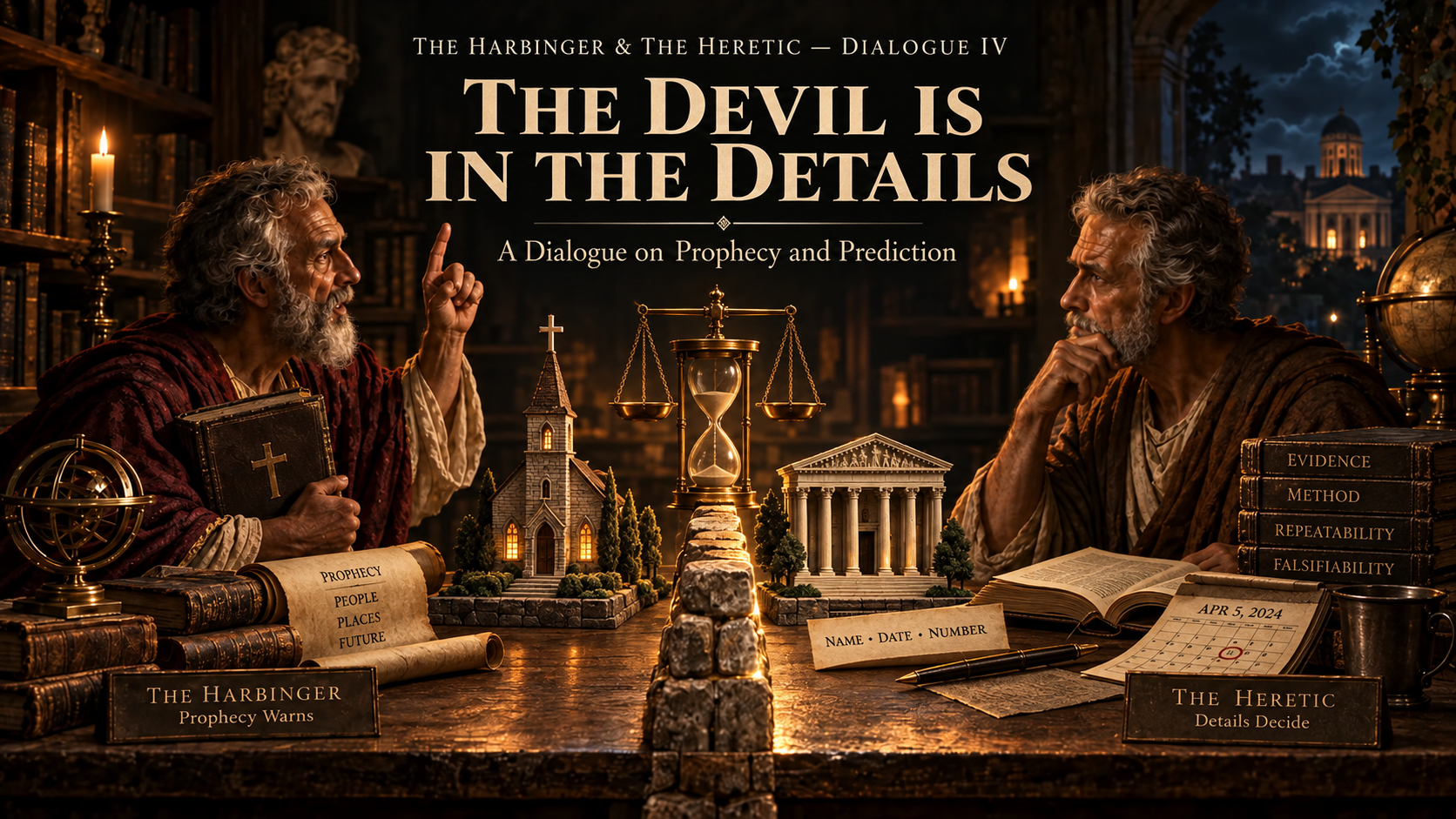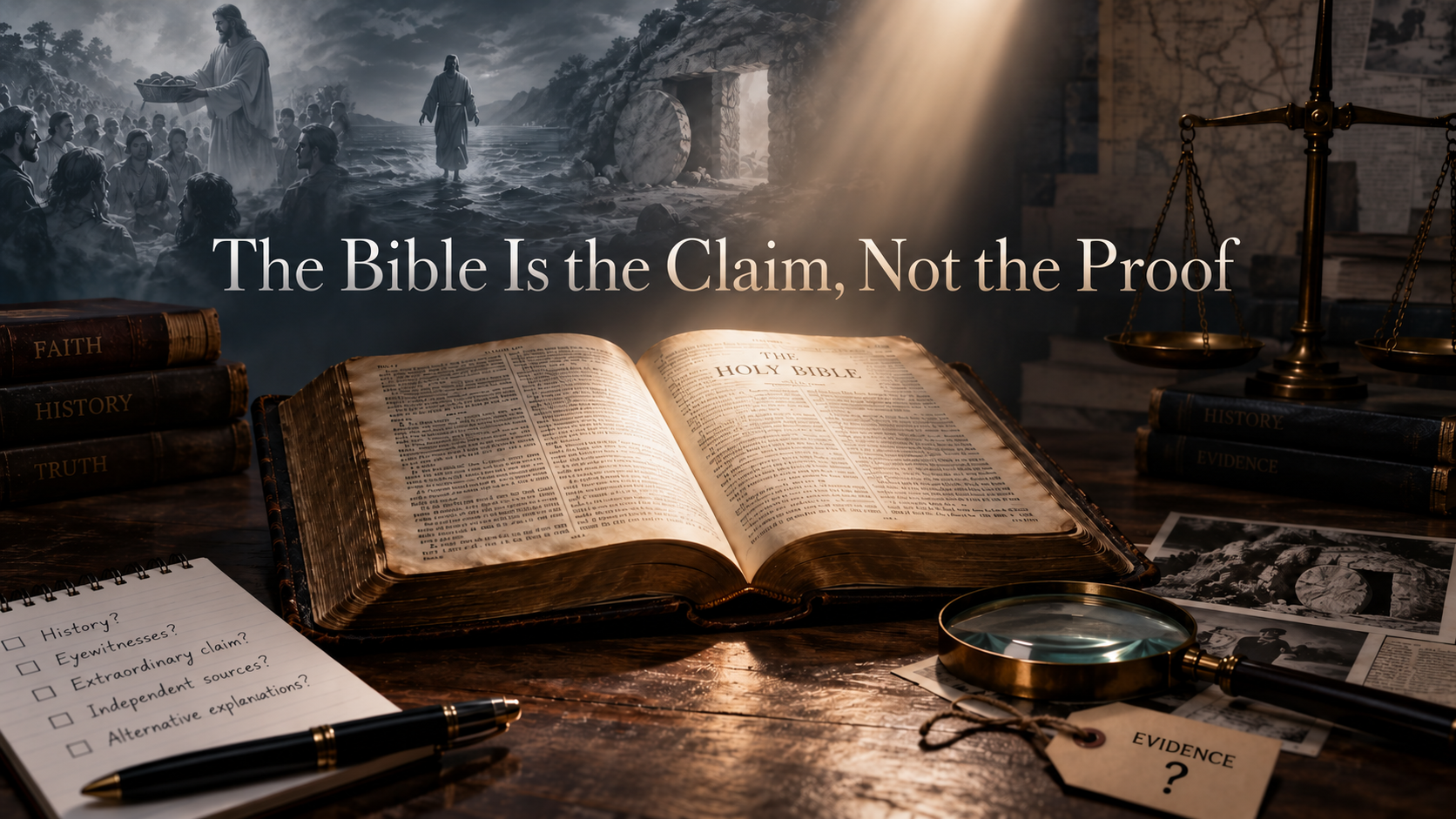
In a courtroom the case is not decided on the defendant's testimony alone. We call witnesses — those who claim firsthand knowledge, direct experience or credible evidence. When it comes to God, religion offers its own parade: prophets, apostles, church fathers, modern evangelists, faith healers and ordinary believers who swear they simply know God is real. But belief does not equal truth. And sincerity does not equal reliability. That is why cross-examination exists — to test claims, expose contradictions and separate fact from fantasy. When the witnesses in the case for God are put under that kind of scrutiny, a pattern emerges that would collapse any prosecution in a real courtroom.
The Ancient Witnesses: Prophets and Apostles
Religious tradition holds that the earliest witnesses to God were figures like Moses, Isaiah, Jeremiah and the apostles of Jesus — men chosen by God to reveal divine truth. They are revered as foundational. But under modern scrutiny, the testimony gets complicated. Moses is said to have led the Israelites out of Egypt in the Exodus, a defining event in Jewish history. Yet archaeological evidence for the Exodus does not exist. There are no Egyptian records of it, no physical evidence of a nation wandering the Sinai for forty years, nothing in the material record that would corroborate an event of that scale (Finkelstein and Silberman, 2001). The silence in the archaeology is not a minor gap. It is the absence of evidence where evidence should be abundant if the event occurred as described.
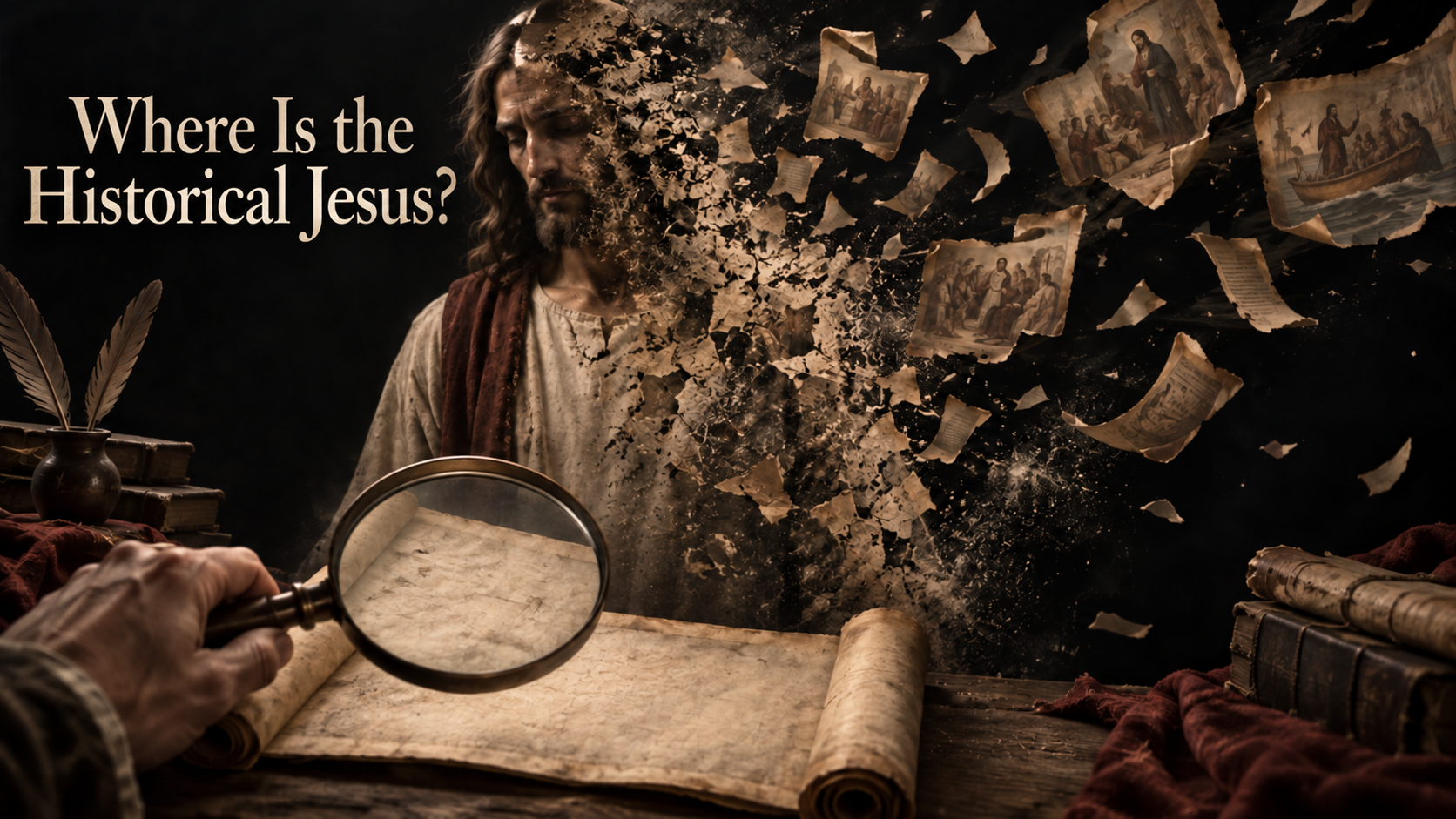
The apostle Paul, often credited as the first major Christian theologian, never met Jesus in person. His encounter with Christ was a vision on the road to Damascus — an unverifiable, subjective experience that, presented in any other context, would be considered anecdotal at best. In a trial, hearsay without corroboration is inadmissible. Much of the religious record is built precisely on hearsay transmitted through oral tradition for decades before being committed to writing. That transmission history matters. Stories change. Details get added. Meaning gets shaped by the communities doing the transmitting. The ancient witnesses are compelling figures whose testimony has shaped civilization. But compelling is not the same as verified.
The Modern Witnesses: Evangelists and Faith Healers
Fast-forward to today and the witness stand is crowded with modern preachers, televangelists and self-styled prophets claiming miracles, divine revelations and healings in the name of Jesus. Under cross-examination the credibility collapses quickly. Investigative journalists and researchers like James Randi documented how many celebrated faith healings used planted audience members, vague words of knowledge that could apply to almost anyone, and the kind of emotional manipulation that produces genuine subjective experience in crowds without requiring any supernatural explanation. The theatrical staging of the healing event does the cognitive work, not divine intervention.
The financial record of the prosperity gospel movement is its own testimony. Preachers living in mansions, flying private jets and collecting luxury watches while instructing followers that God will bless them financially in proportion to what they give are not demonstrating divine favor. They are demonstrating that the framework produces a reliable transfer of wealth in one direction. These are not prophets. They are spiritual grifters in designer suits with Christian branding. Their testimony is not divine revelation. It is salesmanship wrapped in scripture, and it thrives precisely because belief makes people reluctant to apply the evidentiary standards they would use for any other financial transaction.
These are not prophets. They are spiritual grifters in designer suits with Christian branding. Their testimony is not divine revelation. It is salesmanship wrapped in scripture — and it thrives because belief makes people reluctant to apply the standards they would use for any other transaction.
The Everyday Witness: Personal Testimony
The most common witness in the case for God is the ordinary believer who says they have felt God's presence or that God answered their prayer. These testimonies are heartfelt and deeply personal. They are also not evidence. Psychology has documented the mechanism clearly: confirmation bias leads people to notice and remember events that confirm existing beliefs while filtering out events that do not. If you believe God healed your illness after prayer, you are more likely to attribute the recovery to divine intervention than to medicine, your immune system, regression to the mean or chance. The prayer that was answered gets remembered. The ones that were not get explained away or forgotten.
The diversity of contradictory personal testimonies is itself significant. Muslims, Hindus, Buddhists, Mormons, evangelical Christians and followers of traditions across the world all report similar experiences of divine presence, answered prayer and miraculous intervention — each attributing it to their own God or spiritual framework. They cannot all be right in their specific claims, since the theological frameworks are mutually contradictory. What the universality of the experience actually tells us is that human beings are capable of generating vivid spiritual experience through belief, community, ritual and emotional intensity. That is a fascinating psychological fact. It is not evidence that any specific God exists.
When each witness is examined — ancient prophets, founding apostles, modern evangelists and everyday believers — the same four weaknesses appear without exception. First: no independent verification of supernatural claims. Every miraculous event in the religious record either lacks corroboration from outside the tradition or has been specifically examined and found unverifiable. Second: contradictory accounts across cultures and religions, which undermines any specific faith's claim to uniquely reliable testimony. Third: strong personal bias and deep emotional investment in the outcome — the very conditions under which testimony is least reliable. Fourth: financial, social or institutional incentives for promoting belief, which creates precisely the conflict of interest that courts treat as a reason to scrutinize testimony more carefully, not accept it more readily. In any actual trial, when every witness presents these four weaknesses consistently, the prosecution's case does not survive the examination.
My Bottom Line
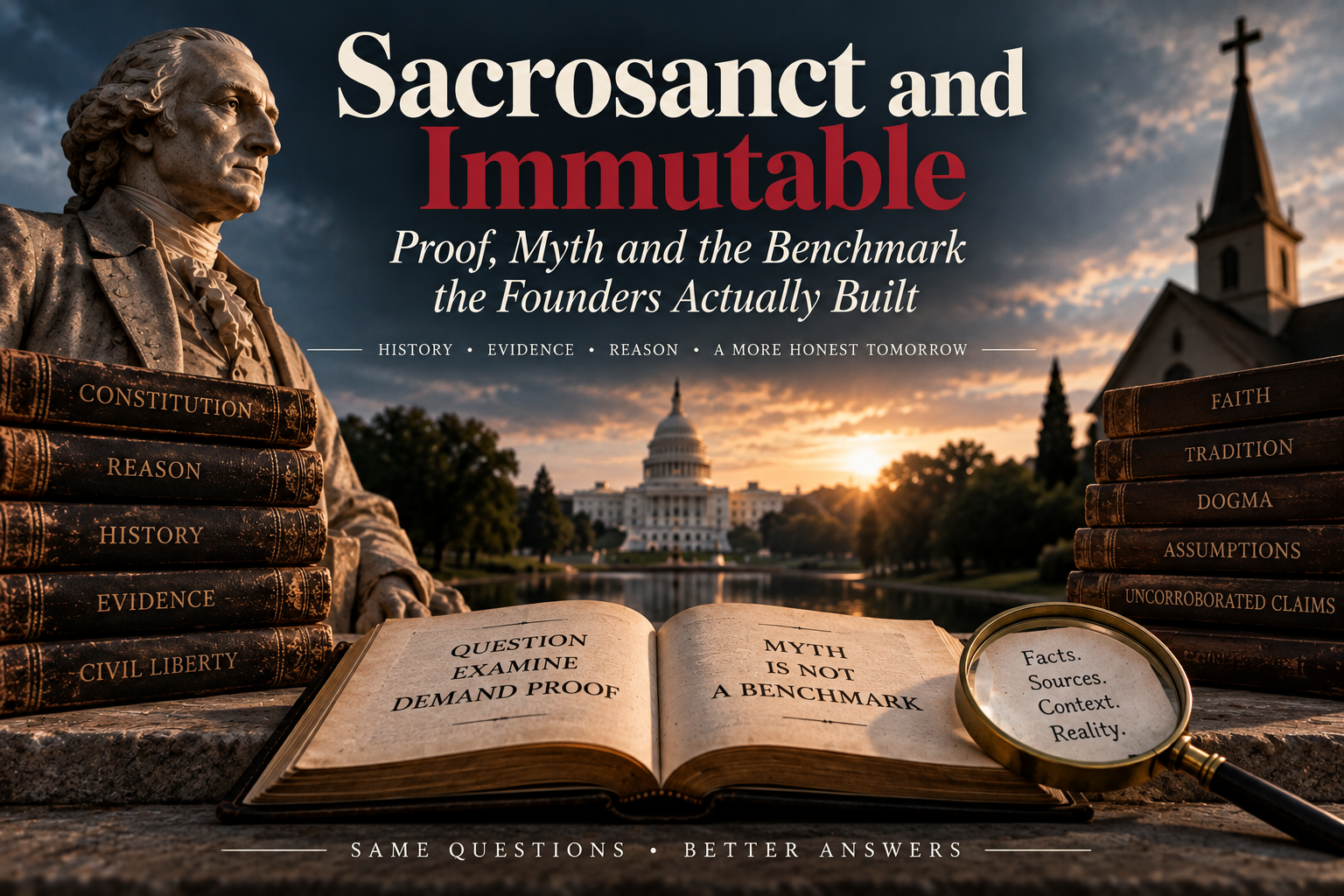
The witness problem is not a small procedural obstacle for the case for God. It is the structural core of the problem. The entire religious tradition rests on testimony — on the claim that specific people, in specific places, at specific moments in history, experienced or received divine communication that we are asked to accept as reliable thousands of years later through chains of transmission that no responsible court would treat as adequate. That does not mean the experiences described were not real to the people who had them. It means that subjective experience, however intense and however widespread, is not the same thing as evidence of an objective external cause. Policy, law and culture are shaped every day by these witnesses. Politicians quote scripture. Pastors lobby legislatures. Communities base their voting, their science education, their family decisions and their moral codes on testimony that would not survive a rigorous evidentiary standard. The truth has nothing to fear from scrutiny. Testimony that collapses under cross-examination was never reliable to begin with.
If we are going to let belief influence education, reproductive rights, science funding and social policy, we should require that the witnesses to God's existence meet the same standards we demand in any courtroom: consistency, verifiability and freedom from conflict of interest. That is not an attack on faith. It is the minimum standard for evidence-based decisions about the world we all share.
References
- Finkelstein, I., & Silberman, N. A. (2001). The Bible Unearthed: Archaeology's New Vision of Ancient Israel and the Origin of Its Sacred Texts. Free Press.
- Dawkins, R. (2006). The God Delusion. Houghton Mifflin Harcourt.
- Randi, J. (1989). The Faith Healers. Prometheus Books.
- Shermer, M. (2000). How We Believe: The Search for God in an Age of Science. W. H. Freeman.
Disclaimer: The views expressed in this post are the personal opinions of the author and are offered for educational, commentary and public discourse purposes only. They do not represent the positions of any institution, employer, organization or affiliated entity. Nothing in this post constitutes legal, financial, medical or professional advice of any kind. References to public figures and institutions are based on publicly available sources cited above. Commentary on religion and theology reflects the author's independent analysis and is protected expression of opinion. Readers are encouraged to consult primary sources and form their own conclusions.